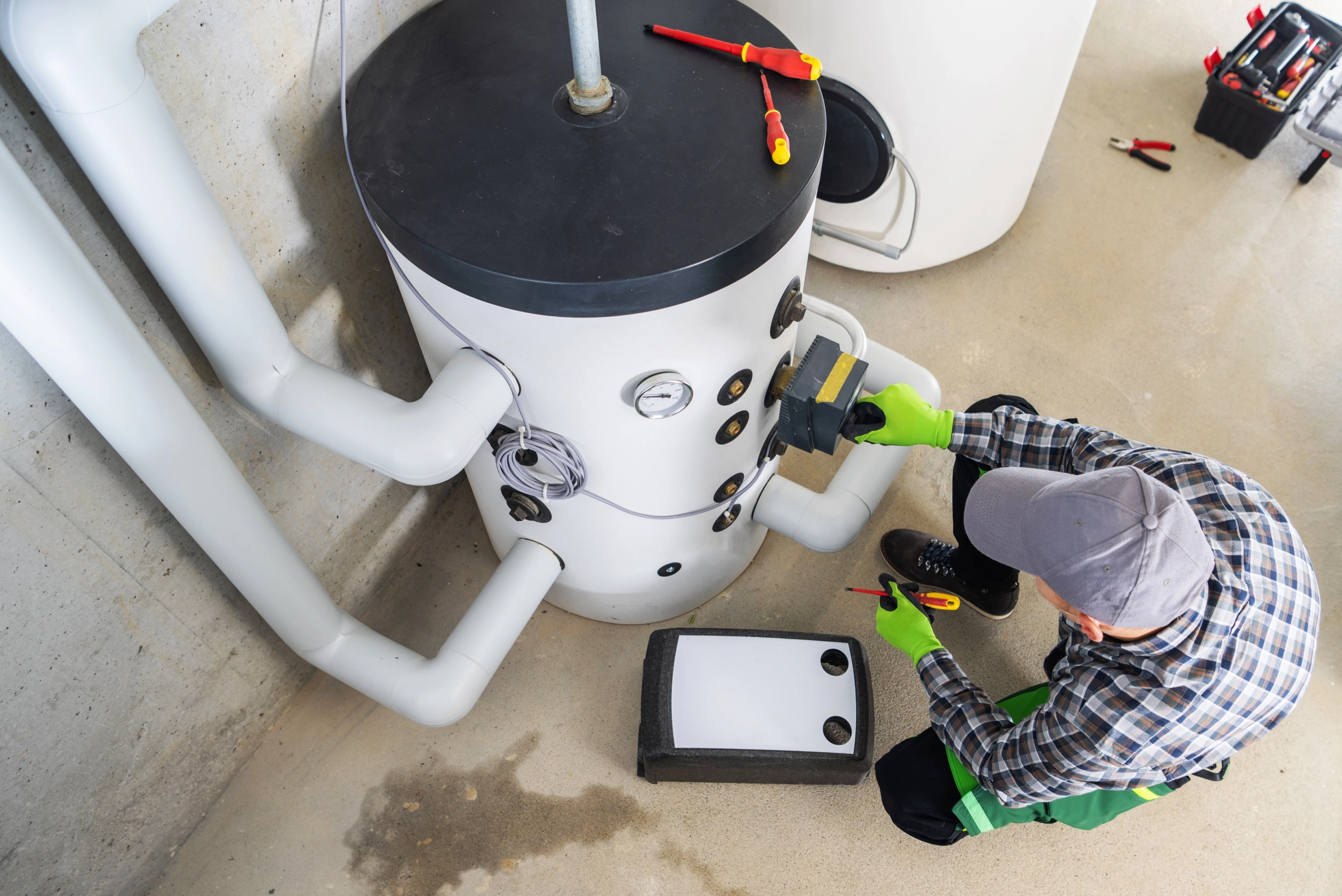
When you should replace a water heater depends on its age and condition. Most tank-style heaters last about 8–12 years, while tankless (on-demand) units can run closer to 20 years hotwater.comenergy.gov. Watch for warning signs: if hot water runs out quickly, fluctuates in temperature, or you notice rust-colored water, leaks, or odd noises, your heater is likely near the end of its life. There’s no fixed schedule, but experts recommend planning a replacement by roughly the 8–10 year mark for traditional tanks (around 10+ years for tanks and ~20 for tankless models) to avoid unexpected failures.
Average Lifespan of Different Water Heater Types
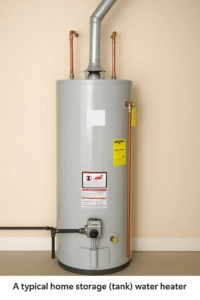
Tank-style water heaters (both gas and electric) generally wear out after about 8–12 years of normal use. Electric tanks often last slightly longer (roughly 10–15 years) because they have fewer moving parts than gas units.
Tankless water heaters, which heat water on demand without a storage tank, typically last much longer – around 20 years or more. High-end or hybrid models (like heat-pump water heaters) fall in between; for example, heat-pump units usually run about 10–15 years with proper care. In all cases, factors like water quality, maintenance and installation quality affect longevity, but roughly: tank ≈ 10 years; tankless ≈ 20 years.
In practice, that means a conventional 40–50 gal tank you bought 10–12 years ago is due for a replacement soon, whereas a tankless unit that old might still have several good years left. As a rule of thumb, any heater beyond its warranty period (often 6–12 years) should be checked carefully and replaced if borderline. When the time comes, upgrading (for example moving from an old gas tank to a newer tankless model) can give you another decade or more of service.
Signs of Water Heater Failure
Watch for these warning signs of trouble – any one of them often means a failing heater:
- Inconsistent or No Hot Water: Hot water that suddenly turns cold or never gets very hot (or stalls out quickly) usually indicates a failing heating element (electric) or burner/thermostat (gas). It can also mean sediment buildup is insulating the heating source.
- Loud Rumbling or Popping Noises: Deep rumbling, popping or gurgling from the tank means heavy sediment has settled at the bottom. When water hits these deposits, it sounds like thunder. This stress often leads to overheating the steel tank bottom and eventual failure.
- Rusty or Discoloured Water: Brown or cloudy hot water is a classic sign of corrosion. If only the hot side is rusty while the cold tap runs clear, the tank itself is rusting through. This means the inner lining has failed and the unit is on the verge of a leak.
- Leaks or Moisture Around the Tank: Any dripping or pooling water at the base or around fittings is serious. Spruce notes that “once a water heater begins leaking, it’s usually a sign that it needs to be replaced”. A leaking tank (often due to a pinhole or failed drain valve) cannot be safely patched long-term; it must be replaced immediately.
- Foul Odors: A rotten-egg or sulfur smell in the hot water often means bacteria growing inside or a spent anode rod. Persistent odors suggest internal decay, which will shorten life if not addressed. (Flushing or disinfecting may help short-term, but lingering smell often means replacement soon.)
- Pilot Light or Burner Problems (Gas Heaters): If a gas pilot light won’t stay lit or the burner flame is weak or yellow, there may be a failing gas control valve or excessive debris. Frequent pilot outages or ignition failures signal that the control system is wearing out. In an electric heater, similarly, repeated element burnouts hint the entire unit is aging.
- Rising Energy Bills or Long Recovery Time: Not a one-time sign to cite, but if your heating costs suddenly spike or it takes much longer to heat water than when the unit was new, the heater is losing efficiency (usually due to scaling or corrosion). This degradation often precedes other failures.
Any one of these symptoms is a red flag. Minor fixes (like replacing a bad heating element or a leaking valve) can help short-term, but multiple symptoms usually mean replacement.
Checking Your Water Heater’s Age and Condition
To decide if replacement is near, first figure out how old the unit is. Look for the manufacturer’s sticker or label on the tank with model and serial numbers. Many brands encode the build date in the serial. For example, Rheem/Ruud serials begin with the month and year (MMYY) of manufacture; A. O. Smith newer units use two-digit year and week; Bradford White’s first letter is the year and second letter is the month. A quick online “serial number decoder” (or the manufacturer’s website) can translate this. If you find the heater is already 10+ years old, it’s wise to plan a new one soon.
Next, inspect its condition. Check around all pipe fittings, valves, and especially the tank base for any signs of rust or moisture. Test the temperature/pressure relief valve by lifting its lever slightly – it should free-flow without dripping afterward. If you see any water leaking from the drain or T&P valve, that is serious (even a dripping relief valve can indicate internal corrosion).
Spruce advises checking every valve and fitting for drips as part of the diagnosis. Remove and inspect the sacrificial anode rod (usually via the top of an electric tank) every few years, if the rod is almost gone or heavily corroded, the tank lining may have been exposed. In general, a tank that visibly rusts (especially at the base) or fails a leak test is not repairable. A healthy heater, by contrast, should have a dry exterior, no visible leaks anywhere, and warm (not hot) outer tank surface if properly insulated. Keep in mind: even if it “looks okay,” an old heater internally can be very weak, so age and performance trends matter most.
Maintenance and Longevity by Heater Type
Proper maintenance can extend any heater’s life. For storage (tank) heaters, the DOE recommends draining a few liters of water out of the tank every 3 months or so and inspecting the anode rod every 3–4 years (energy.gov). Flushing sediment removes abrasive grit that would otherwise eat away the bottom. Electric tanks are fairly low maintenance aside from this (since they have no burners), whereas gas tanks also need their burner and vent cleared of dust/pests regularly.
For tankless heaters, the main task is periodic descaling: manufacturers typically advise flushing the heat exchanger once a year (or every 6–12 months in hard water) to prevent mineral buildup. Unlike tanks, tankless units don’t sit full of water, but scale on the burner or heat exchanger will reduce heat transfer and efficiency, so a yearly maintenance flush is common.
In terms of built-in longevity, electric heaters have fewer failure points (no combustion parts) and often reach the high end of the life range. Gas heaters have burners, pilot/ignition parts and vent fans that can fail, so their maintenance is more involved. However, modern gas tankless units have robust heat exchangers and often outlast tank systems.
Replacement Recommendations by Usage and Model
Your household’s hot water demand and the heater model also affect when to swap units. A big family (multiple baths, laundry, etc.) will stress any heater more than a single person, so if you run out of hot water regularly or see short cycling, plan to upgrade or increase capacity. Conversely, a small household using an undersized tank may outgrow it sooner.
In general, plumbers advise treating 8–10 years as a deadline for conventional tanks. For example, one expert guide notes that by age 8–10 you “should plan on replacing it soon”. Other sources agree that pushing much past 10 years greatly increases the chance of leaks or failures. Even if your heater isn’t showing blatant problems yet, replacing it preemptively at this point can be wise, Reddit users on homeowners forums even suggest swapping out the old heater before it fails, to avoid a surprise flood.
Model and build quality matter too. Cheap “contractor grade” tanks with 6-year warranties often fail closer to that limit, while better tanks (with 10–12 year warranties) can reach their teens. If your heater carries an extended warranty, it likely has a thicker tank or better lining. Newer high-efficiency or electronic-ignition units (gas or electric) may last a bit longer than older, rudimentary models. Ultimately, age plus symptoms is the best rule: if your heavy-use home’s 10-year-old heater is already limping along, upgrade it. If a seldom-used unit still seems tight at 10, you might delay a year or two, but monitor it closely.
Repair vs. Replace: Which Is Worth It?
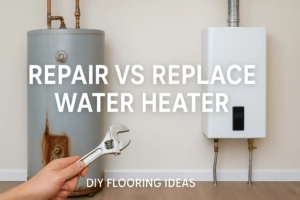
When a water heater acts up, ask: How old is it, and what exactly is wrong? If it’s relatively new (say under 6–8 years) and only one component is bad (for example, an electric element has burned out, or a gas thermocouple needs replacement), a repair can be economical. Replacing a single element or valve is usually under a couple of hundred dollars.
However, if the heater is old (approaching or beyond 10 years) or showing multiple problems (banging and rusty water and a drip), replacement is generally the better choice. A.O. Smith cautions that “if your water heater is more than 10 years old, leaks around the base of the tank, or operates erratically, it’s probably time to replace your water heater”. In other words, if one part has failed and the rest of the unit is otherwise fine, a fix may suffice. But if the tank is corroded or aging rapidly, no reasonable repair will prevent a failure. As a rule of thumb: when the repair cost approaches half the price of a new unit, or if the tank itself is leaking, opt for replacement.
In short, use repairs to keep a young, healthy heater running; use replacement to avoid the headache of an old heater’s next breakdown. ig you want to repair or replace place your water heater Browns Plumbing is one of the best options in Winnipeg
FAQ
Should I replace a 10-year-old water heater?
Generally, yes, especially if it’s a conventional tank heater. At 10 years you’re at the high end of a typical tank’s lifespan.
How much does it cost to replace a water heater?
Costs vary by unit size, type, and labor. A new tank-style heater (including installation) typically runs on the order of $600–$2,500, depending on size and features.
A tankless system is more expensive to install – usually $1,400–$3,900 total.
Can I install a new water heater myself?
It’s possible but generally not recommended. Water heater installation involves gas lines or electrical wiring, proper venting and strapping (for earthquake safety), and often requires permits. Improper installation can violate codes, void warranties, or even cause dangerous gas leaks or flooding.