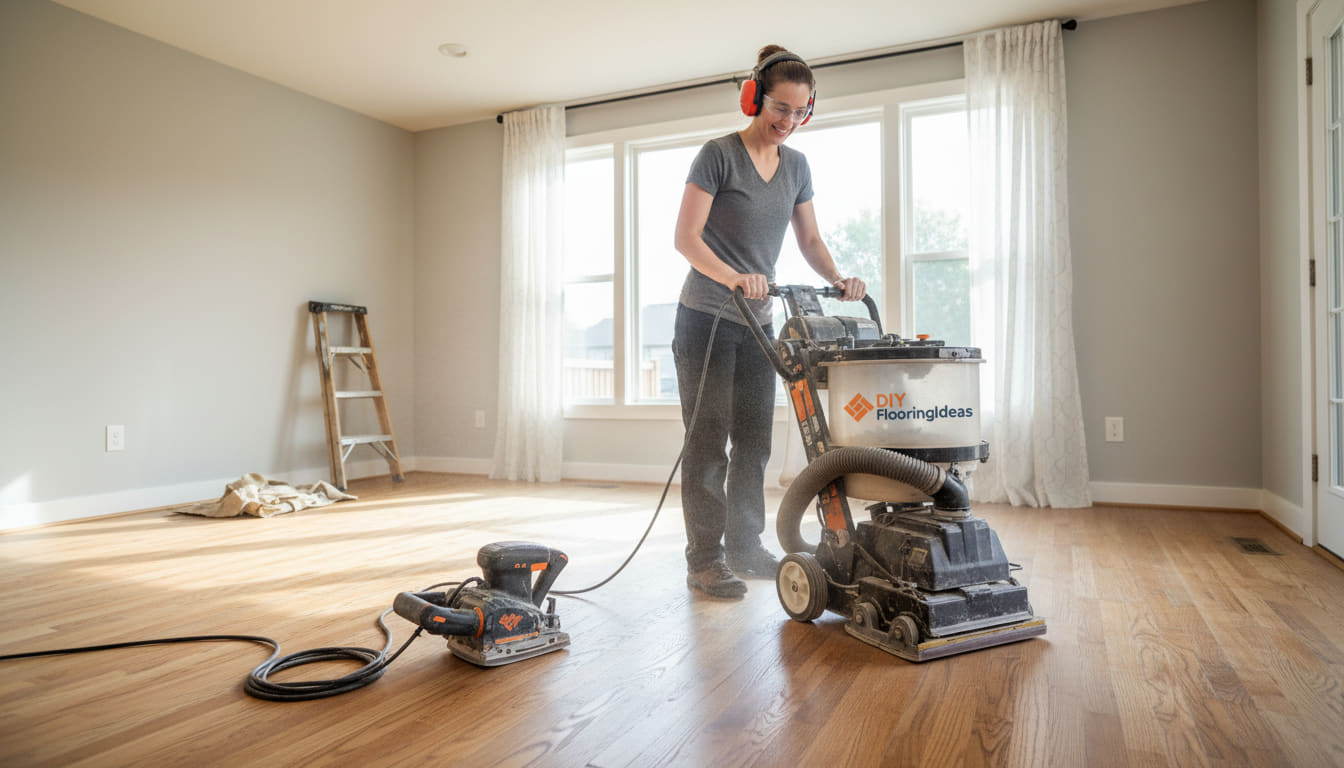
Used floor sanding machines are simply pre-owned sanding tools you can buy for refinishing wood floors – often at a big discount. Many DIYers and contractors find them attractive because they cost far less than brand-new machines. In fact, one industry expert advises not to pay more than about half the new price for a used sander in good condition. These machines come in various types – big drum or belt sanders for open floor areas, smaller orbital sanders, and compact edgers for corners – each serving a different step of the sanding process. This guide will explain the main types of floor sanders, where to find used ones for sale, and key tips to ensure you get a quality machine at a good price.
Types of Floor Sanding Machines
A compact floor edger sander in its carrying case. Floor edgers like this one are small, upright sanders used to reach edges and tight corners. They typically have a 7–12 inch sanding disc and are used after the main floor is sanded. In contrast, drum or belt sanders (larger machines with long sanding drums) cover wide open areas quickly. There are also orbital (or vibrating) sanders, which use a circular pad that both vibrates and orbits, removing material more gently. In practice, a full refinishing job often uses a combination: a drum or belt sander to strip the old finish in the center of the room, and an edger or orbital sander (like the one pictured) for walls and tricky spots.
A heavy-duty belt floor sander (Lagler Hummel) built for large rooms. These powerful machines are what pros use for big hardwood floors. They remove old finish very quickly, which is great when you have lots of sanding to do.
Where to Find Used Floor Sanders for Sale
You can find used floor sanders in many places. National and local floor supply retailers often sell refurbished machines. For example, City Floor Supply advertises “a large inventory of new and used floor sanders, including belt sanders, drum sanders, and hand sanders” from top brands like Lagler, Bona, and American Sanders. Even big rental companies sell their older models: United Rentals notes it has “an extensive range of used sanders and strippers for sale, carefully maintained to ensure optimal performance”. Checking with local hardware stores or lumber yards can also help — if they carry floor equipment, they might take trade-ins or offer used deals.
For bargain hunting, online marketplaces and classifieds are a goldmine. Sites like Craigslist, Facebook Marketplace, and eBay often list used floor sanders at various price points. You can also check auction sites or industry-specific classifieds. One experienced flooring contractor recommends being proactive: call local floor companies, scan the “industrial machinery” section of newspaper classifieds, and sign up for auction house mailing lists. Flooring firms sometimes sell old equipment directly, and auctions can feature machines retired from schools or gymnasiums. With some persistence and regular searching, you’re likely to spot good deals as they come up.
Tips for Buying a Used Floor Sander
- Set a realistic budget: In general, a used sander in good condition should cost significantly less than a new one. A helpful rule is don’t pay more than about half the new price for a well-maintained used machine. Inspect it thoroughly: Examine the machine carefully before buying. Check that the sanding drum or belt runs smoothly and that wear is even across its surface. Inspect drive belts and pulleys for cracks, fraying or stretching. Test the speed controls – the RPM selector should adjust cleanly without jumps or cuts. If possible, attach sandpaper and run the sander briefly to listen for any odd vibrations or grinding sounds. Also check dust ports or bags: they should fit properly. Don’t forget electrical safety: examine power cords, plugs, and switches for damage, and look for any signs of overheated wiring.
- Consider how it will be used: Make sure you choose the right type and power level. Large drum sanders are very powerful, meant for stripping lots of material. They are ideal for big, hardwood rooms but require care. As experts warn, it’s easy to gouge the floor with a drum sander if it sits still too long. If you’re not experienced, you might prefer a 6–8 inch belt sander (less aggressive) or a random-orbit sander for finishing passes. Also check if the sander’s size matches your project: a 12–16 inch drum is great for big jobs, but a smaller drum (6–8 inch) is easier to control for a beginner.
- Know the brands and parts: Familiar brands often have parts and support available. Lagler (makers of the Hummel), Bona, and American Sanders are popular high-quality brands. For example, some refurbishers favor older American Sanders models (those with a red motor housing) as reliable performers. However, don’t dismiss lesser-known brands outright – a lesser name can still work well if the machine was well-made. The key is checking availability of replacement parts (sanding drums, belts, bearings, etc.) for whatever model you consider.
- Ask about maintenance history: If buying from a dealer or rental company, ask what work has been done. A seller that regularly cleans and services its machines is a good sign. For example, industry guides stress that proper cleaning (vacuuming dust out of the machine after each job) and timely replacement of worn sanding belts are crucial for longevity. A used sander that has been well-cared-for can last for many more years. If buying privately, see if the seller can demonstrate it running, or offer any short guarantee. Some dealers even provide limited warranties on refurbished equipment.
Maintaining Your Used Floor Sander
Once you have a used sander, keep it in top shape. Always clean out the dust after each use – wood dust is very abrasive and can damage bearings and motors over time. Replace sanding belts or pads as soon as they are worn or clogged. Lubricate any moving parts per the manual; just a little grease on bearings and pivot points can prevent rust and wear. Periodically inspect belts and pulleys again for wear. By maintaining it like new, your used floor sander will continue working efficiently and safely, giving you great results job after job.
Conclusion
Buying a used floor sanding machine can be a smart way to save money on a flooring project. As long as you do your homework – know the types of sanders, shop around at retailers or online, inspect the machine carefully, and maintain it properly – you can get the tools you need without breaking the bank. Keep the expert tips above in mind (for example, paying around half the new price for a good-used machine) and you’ll be refinishing that hardwood floor in no time. With a little effort upfront, your used floor sander can deliver smooth, professional results at a fraction of the usual cost.