

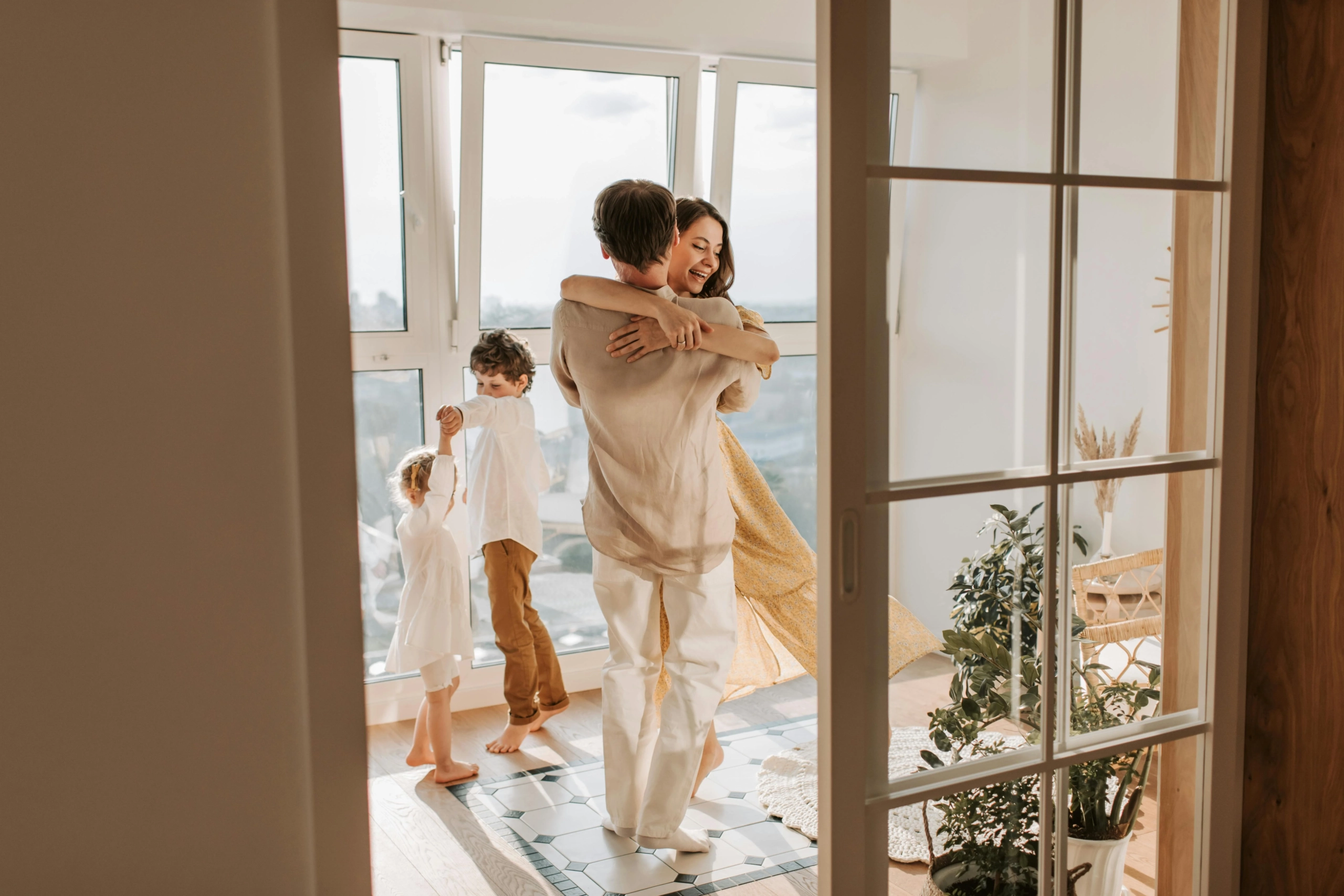
Has your home started to feel smaller even though the square footage never changed? Many families are asking that question lately. Children grow. Remote work continues. Hobbies multiply. At the same time, moving to a larger house feels expensive in today’s market. Interest rates remain higher than many expected.
Housing inventory stays tight in many regions. As a result, households are choosing to renovate instead of relocate. In this blog, we will share practical ways to create purposeful living zones that support growing households without wasting space or money.
Reimagining Bathrooms for Busy Mornings
Bathrooms often become stress zones in larger families. Two people need the sink at once. Someone else is waiting for the shower. Morning schedules clash like rush hour traffic. A smart renovation can ease that pressure quickly.
Start by assessing how the space is used each day. Would a double vanity reduce arguments? Can storage be added to clear clutter from countertops? Simple upgrades like wall-mounted cabinets free up floor space. Better lighting improves visibility and mood.
For homes with aging fixtures, consulting a well-reviewed shower replacement company may offer practical solutions. Modern shower systems use water more efficiently. They also reduce maintenance compared to older tile installations. A walk-in shower with built-in shelving saves time during busy mornings.
Consider adding pocket doors to free up swing space. Install hooks at different heights for children. Use durable materials that clean easily. These details may sound small. They make daily routines smoother. A well-planned bathroom reduces stress for everyone.
Turning Open Spaces into Defined Zones
Open floor plans once symbolized modern living. Now they can feel chaotic in busy households. When the kitchen, dining, and living areas blend together, noise travels freely. Homework competes with television. Video calls compete with dinner prep.
Creating zones does not require building new walls. Area rugs can define a seating space clearly. Bookshelves act as subtle dividers. Folding screens provide temporary privacy during work hours.
Lighting also helps separate functions. Pendant lights above a dining table signal meal time. Floor lamps create a cozy reading corner. Keep work desks away from main traffic paths. This reduces distraction and accidents.
Storage should match each zone’s purpose. Use baskets for toys near play areas. Install shelves for books in study corners. When each area has a clear role, the home feels organized rather than crowded.
Designing Flexible Bedrooms
Children grow quickly. Their rooms should adapt with them. A nursery may later become a study space. Bunk beds can open floor space for play. Desks with adjustable heights serve longer as kids mature.
Think about long-term use before buying furniture. Choose neutral colors for walls. Add personality through artwork and bedding instead. This allows easy updates without major renovations.
Closet systems can transform how a room functions day to day. Adjustable shelving adapts as storage needs change, while under-bed drawers create space for seasonal clothing without crowding the room. Keeping walkways clear ties everything together and prevents clutter from slowly taking over.
For shared bedrooms, create personal zones within the room. Use curtains around beds for privacy. Assign specific shelves or drawers to each child. These simple strategies promote harmony.
Carving Out Quiet Work Corners
Remote work remains common across many industries; even students rely on online learning tools regularly. That means quiet work areas are essential. Not every home has a spare office. Creativity becomes key.
Look for underused corners. A hallway nook can fit a narrow desk. A section of the living room may host a compact workstation. Install floating shelves above the desk to save floor space.
Sound control improves focus. Add rugs or wall panels to absorb noise. Position desks away from televisions and play areas. Use headphones when privacy is limited.
Encourage routines that separate work from family time. Close the laptop and store it away at day’s end. This physical action helps create mental boundaries. A defined work zone supports productivity without overtaking the home.
Upgrading Common Areas for Together Time
Growing households need shared spaces too. Living rooms should invite conversation and comfort. Arrange seating to face each other rather than only a screen. This encourages interaction.
Durable furniture matters in active homes. Choose fabrics that resist stains. Opt for rounded edges on tables to reduce injury risk. Add soft throws and cushions for warmth.
Consider multi-purpose furniture. Ottomans with storage hold games and blankets. Expandable dining tables adapt for guests. Wall-mounted shelves display family photos without taking floor space.
Outdoor areas also count. A simple patio upgrade creates room for gatherings. Add weather resistant seating and lighting. Fresh air often feels like extra square footage.
Planning for the Future
Smart renovations consider long term needs. Aging parents may move in. Teenagers may require more privacy, so design with flexibility in mind.
Wide doorways support accessibility later. Lever style handles are easier for all ages. Non slip flooring increases safety in bathrooms and kitchens. These features blend seamlessly into modern design.
Energy efficiency also plays a role. Rising utility costs affect family budgets. Upgrade insulation during renovations. Install energy-efficient windows. These improvements reduce monthly expenses over time.
Keep a realistic budget. Prioritize projects that improve daily function first. Cosmetic updates can wait if needed. Functional upgrades provide stronger returns.
Making Renovations Work for Real Life
Purposeful living zones do not require luxury budgets. They require thoughtful planning. Observe how the household moves each day. Identify friction points. Then address them one by one.
Start small if necessary. Replace outdated fixtures. Maybe add storage where clutter builds. Rearrange furniture to test new layouts before committing to major changes.
Growing households bring noise, laughter, and occasional chaos. Homes should support that energy rather than fight it. Clear zones reduce stress. Flexible design supports changing needs.
Renovations done with intention create balance. They turn crowded rooms into functional environments. They transform daily routines into smoother experiences. With practical upgrades and clear goals, any home can adapt to a growing household and still feel welcoming at the end of the day.
Pro Tip: Pair these living zone ideas with our latest Kitchen Upgrading Tips for a cohesive home transformation.
