Have you ever noticed how a small home issue can ruin an entire day? A dripping faucet at midnight feels louder than traffic. A broken cabinet handle becomes personal after the third snagged sleeve. Homes shape daily moods more than most people admit. They frame mornings, host dinners, and witness late night worries.
In recent years, home life has taken center stage. Remote work reshaped spare bedrooms into offices. Rising grocery prices turned kitchens into budget command centers. News cycles bring stress, so comfort at home feels more valuable. As inflation pushes families to think carefully about spending, thoughtful upgrades gain attention. People now ask which improvements truly matter. In this blog, we will share practical ways to invest in core spaces that directly affect comfort, function, and long-term value.
Bathrooms as Daily Reset Zones
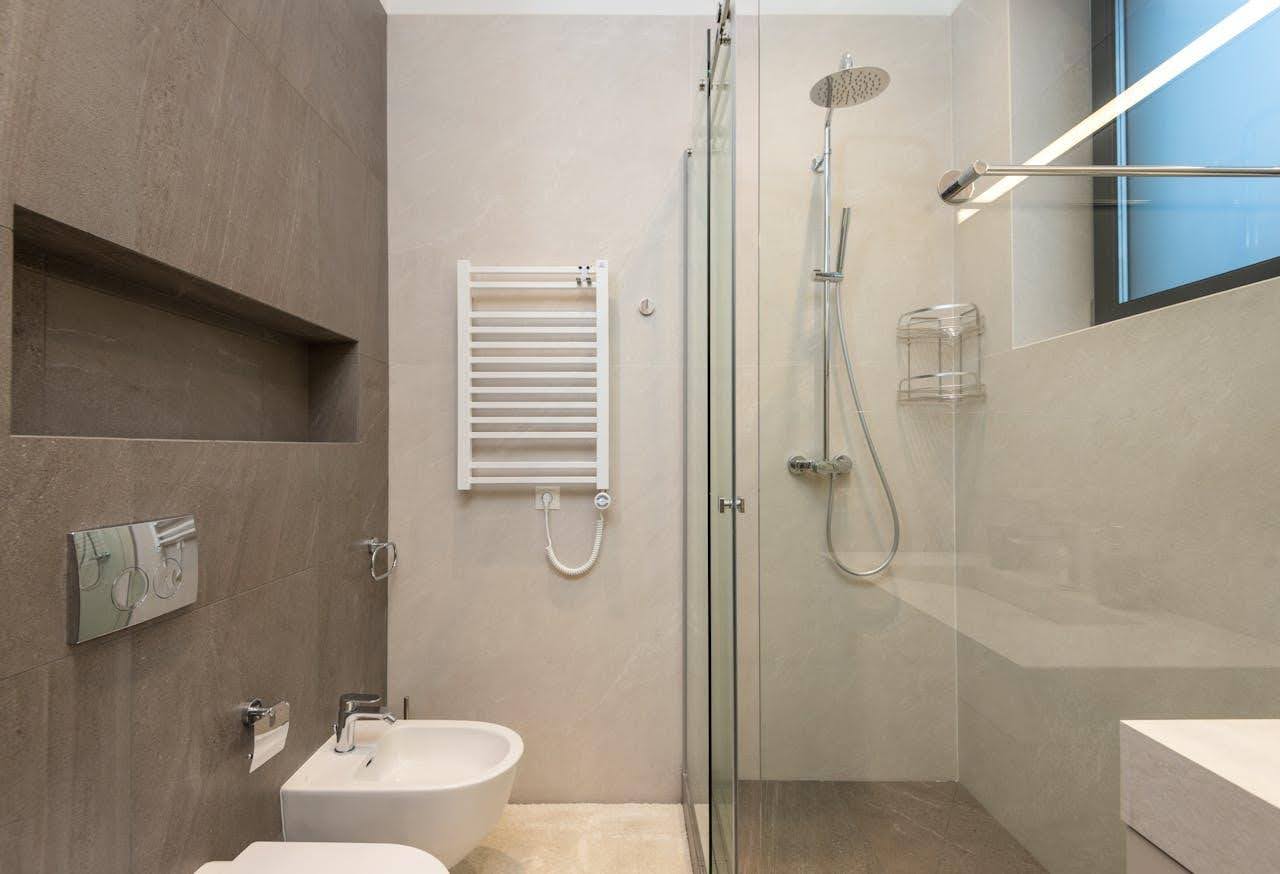
Bathrooms hold surprising emotional power. They start mornings and close out long days. So naturally stepping into an outdated space can feel deflating. Nobody likes to look at cracked tiles and weak water pressure the first thing in the morning. They do not inspire calm. The solution? A thoughtful reset achieved through strategic full bathroom remodeling. The goal is not just style – it is better use of space and improved comfort.
Recent wellness trends highlight the importance of self care. Social media overflows with spa-inspired images. People crave small rituals that restore balance – and a smartly designed bathroom supports those moments. Improved ventilation keeps air fresh and walls protected. Modern fixtures conserve water, so monthly bills stay manageable.
And let’s not forget lighting also shapes the experience. Soft layered lights reduce harsh shadows. Updated vanities add storage without crowding the room. Heated floors sound luxurious, yet they offer practical warmth in colder months. Therefore, bathroom updates blend comfort with efficiency. That combination feels smart in uncertain financial times.
Kitchens That Carry the Weight of Modern Life
The kitchen often acts as the engine of a home. It fuels busy mornings and late night snacks. During recent economic shifts, more meals happen at home. Restaurant prices climb, so families cook more often. That change puts pressure on cabinets, counters, and appliances.
Worn surfaces send subtle signals of fatigue. Sticky drawers test patience during rushed mornings. Poor lighting makes simple tasks harder than necessary. Small upgrades can change the tone completely. Updated hardware feels solid in the hand. Brighter lighting reduces eye strain and lifts the mood. Durable countertops handle spills without drama.
Storage matters more than ever. Bulk grocery runs require smart organization. Pull-out shelves prevent forgotten items from hiding in corners. Therefore, investing in kitchen flow supports daily routines. A functional kitchen lowers stress levels quietly. That impact spreads through the entire household.
Living Areas That Support Connection
Living rooms once centered around television sets. Today they juggle multiple roles. They host movie nights and video meetings. Children complete homework while adults answer emails nearby. Furniture arrangement influences how these interactions unfold.
Open layouts remain popular, yet they require thoughtful planning. Rugs define zones without adding walls. Comfortable seating invites conversation instead of quick exits. Durable fabrics handle spills and pet hair with ease. Therefore, selecting materials carefully protects both comfort and appearance.
Lighting again plays a strong role. Floor lamps create warmth during evening hours and natural light boosts mood during daytime tasks. Even simple paint updates can refresh the atmosphere. Neutral tones appeal to broader tastes. That choice matters for resale considerations later. A living space that feels welcoming encourages connection. That benefit stretches beyond design trends.
Bedrooms That Encourage True Rest
Sleep often suffers in busy households. News alerts and glowing screens disrupt nighttime routines. Bedrooms should counter that chaos. Soft colors calm the mind. Blackout curtains block streetlights and early sunrises.
Investing in quality mattresses pays off quickly. Proper support reduces aches and improves sleep quality. Updated closets also improve daily flow. Organized storage eliminates morning frustration. Therefore, attention to bedroom design supports physical health directly.
Sound insulation deserves consideration as well. Thicker doors and rugs reduce noise transfer. Small changes create noticeable quiet. In a world filled with constant updates and notifications, silence feels rare. A bedroom designed for rest becomes a powerful asset.
Entryways That Set the Tone
Entryways rarely receive top billing in renovation plans. Yet they shape first impressions instantly. Clutter near the door creates stress before shoes come off. Hooks, benches, and baskets solve that problem quickly.
Weather patterns across the country have grown unpredictable. Mud, snow, and rain demand durable flooring. Easy-to-clean surfaces reduce maintenance headaches. Therefore, practical materials protect the rest of the home.
Lighting near the entrance improves safety and mood. A bright, organized entry signals order. That feeling carries into the rest of the house. Guests notice these details, even if they never mention them. A tidy entrance suggests care and pride.
Home Offices and Flexible Spaces
The rise of hybrid work has changed residential priorities. Spare rooms transformed into offices almost overnight. Kitchen tables became temporary desks. Over time, many households recognized the need for dedicated work zones.
Proper desks and supportive chairs protect posture. Good lighting reduces eye strain during long meetings. Sound control matters during video calls. Therefore, investing in functional office setups supports productivity.
Flexibility also holds value. A guest room that doubles as a workspace maximizes square footage. Fold-down desks and wall beds save space. As economic shifts continue, adaptable rooms provide security. They allow households to respond quickly to changing needs.
Outdoor Areas That Extend Living Space
Outdoor spaces gained attention during periods of limited travel. Backyards turned into mini retreats. Patios hosted small gatherings instead of crowded venues. That trend continues as people value private outdoor time.
Simple upgrades create strong impact. Weather-resistant furniture invites relaxation. Shade structures protect against harsh sun. Fire pits extend use into cooler seasons. Therefore, thoughtful outdoor design expands usable living space.
Gardens also contribute emotional benefits. Tending plants offers quiet focus. Even small balconies can support container gardens. These spaces remind residents to slow down. In fast-paced times, that reminder feels refreshing.
The Long View on Home Investment
Every home contains spaces that influence daily comfort deeply. Some rooms demand attention more than others. Prioritizing kitchens, bathrooms, and bedrooms makes practical sense. These areas support essential routines.
Economic headlines often warn about rising costs. That reality encourages careful planning. Targeted updates often deliver stronger returns than flashy additions. Therefore, smart investments balance present enjoyment with future value.
Comfort at home is not a luxury. It shapes mental clarity and physical ease. Thoughtful care of core spaces builds stability. In uncertain times, that stability feels priceless. A well maintained home becomes more than shelter. It becomes a steady partner in everyday life.