
Window Cost Calculator
Estimated Cost
A window replacement cost calculator is an online tool that helps homeowners quickly estimate the total price of replacing windows. By answering a few simple questions, it uses industry pricing data to produce a ballpark cost for your project. Typically, you enter details like the frame material (e.g. vinyl, wood, aluminum), window style (double-hung, casement, slider, bay/bow, etc.), product grade (entry-level to premium), installation type (insert vs. full-frame), and the number of windows, along with your location. Within seconds, the calculator returns an estimated range for your job. This instant estimate helps you plan your budget and avoid sticker shock before you get contractor bids.
Using a cost calculator gives you confidence by translating your selections into dollars. As one home improvement company notes, you can “try our window cost calculator for instant, online estimates” to jump-start your planning. In other words, the first step toward your new windows can be as easy as a few clicks. With a realistic price range in hand, you can compare materials and options, talk with installers more confidently, and make informed decisions on upgrades or energy features.
How the Window Cost Calculator Works
A window replacement cost calculator works by breaking down the project into parts and combining them with pricing data. In practice, it follows these steps:
- Frame Material & Window Style: You select a frame type (vinyl, wood-clad, aluminum, fiberglass, etc.) and window style (double-hung, casement, awning, slider, bay, etc.).
- Product Grade: Choose the quality level or series of the windows (often labeled “entry-level,” “mid-range,” or “high-end”). Premium lines with advanced features cost more.
- Installation Type: Indicate how the windows will be installed – for example, a simple retrofit insert (placing the new window into the existing frame) versus a full-frame replacement (removing the old frame). (Some calculators also offer an option for historic-home renovations.)
- Quantity & Location: Enter the number of windows you need and your ZIP code (regional labor rates can affect final pricing).
Once you hit “Calculate,” the tool does the math. Under the hood, it typically adds up a base price by combining the frame material and window style. Then it applies multipliers for the chosen quality grade and adds the specified installation cost. Finally, it multiplies by the number of windows. For example, one estimator explains that it “starts by adding frame material to [window] style… then uses a multiplier for different product grades, and includes the installation pricing for each method”. This formulaic approach yields a customized estimate almost immediately.
Using the calculator is straightforward. Here’s how a typical tool guides you:
- Frame Type & Style: Pick your frame (e.g. vinyl or wood) and window style (double-hung, casement, etc.).
- Product Grade: Select entry, mid-range, or high-end for your windows.
- Installation Method: Choose retrofit/insert or full-frame installation.
- Quantity & ZIP Code: Enter how many windows and your location to tailor the estimate.
These inputs capture the main cost drivers. The calculator then looks up the baseline cost for that frame/style combination, adjusts it for quality, adds in the labor method, and multiplies by the window count. In practice, this yields a price close to industry averages without waiting for a contractor.
Expert Tip: Even with a good calculator, remember that real bids may vary. Use the estimate as a ballpark figure. You should still compare at least 2–3 quotes from local installers for final pricing. Calculators help set expectations, but actual jobs can differ in details.
Typical Window Costs by Type
The cost calculator’s results will reflect a range of prices depending on your selections. To give you an idea, here are approximate installed cost ranges for common window styles (per window):
Window Type | Installed Cost Range (each) |
Double-Hung | $400 – $1,400 |
Casement | $650 – $2,500 |
Sliding (Glider) | $400 – $1,800 |
Bay / Bow | $1,500 – $7,000 |
These figures include a standard installation and cover entry-level through premium quality windows. They are drawn from industry data (for example, one window estimator cites ~$400–$1,400 for a double-hung and about $650–$2,500 for a casement, installed). Higher-end materials or larger sizes will push toward the top of each range, while basic vinyl windows might be at the lower end. Specialty shapes and custom features can exceed these amounts.
Keep in mind: these ranges are averages. Your actual price may differ based on glass upgrades, hardware choices, and local labor rates. The calculator will adjust accordingly. But this table gives a quick baseline so you’re not starting from zero.
Installation Methods and Labor Costs
How the windows are installed significantly affects cost. In general:
- Retrofit/Insert Installation: This is where new windows are installed into existing frames. It is quicker and less invasive, so labor costs are lower. Typically around $75–$200 per window.
- Full-Frame Replacement: The old window frame is removed and a new frame installed. This is more work (and may involve repairing or replacing surrounding wood). Expect roughly $250–$500 per window.
- Historic or Specialized Install: For older homes or fancy architectural work (e.g. very thick walls), installation costs can be higher, often similar to or above full-frame pricing.
These are broad ranges from industry sources. One calculator guide notes retrofit (insert) jobs start around $75 to $200 per window, whereas full-frame jobs can run $250 to $500 each. In other words, budget more for full removal and rebuild.
Factors such as the condition of the wall, any rotted framing, access difficulties (second-story or tight spots) and the cost of local labor will also influence these numbers. The calculator typically uses a standard install cost (based on your zip code) and may add on any extra charges if you specify unusual conditions.


Key Factors Influencing Replacement Cost
Your estimated cost depends on many variables. Important factors include:
- Number of Windows: Buying more windows increases total cost, but often lowers the per-window price. (Many contractors give volume discounts.)
- Window Style: Some styles require more materials and labor. For example, bay or bow windows are more complex and costly than a simple single-hung. (Bay/bow windows often need extra framing, driving up installation cost.)
- Frame Material: Frame choice is a big cost driver. Vinyl frames are usually most affordable, while fiberglass and wood are higher-priced. Each step up in material quality raises both material and labor costs.
- Energy-Efficient Features: Upgrading to double- or triple-pane insulated glass, low-E coatings, or gas fills increases the sticker price, though it yields long-term savings. As one guide notes, energy-efficient options “increase upfront window costs but reduce monthly energy bills”.
- Installation Complexity: Homes with unusual architecture (taller walls, custom shapes, or necessary carpentry) add labor time. Any cutting or reframing needed for a full replacement can add $100+ per window. Remodeling or making windows larger also increases cost.
- Brand and Quality: Premium window brands with long warranties tend to cost more. A basic off-brand double-hung may be cheap, whereas a top-tier model (with better glass or hardware) will raise your budget. In general, “premium products may cost more initially but deliver better performance”.
- Location / Regional Costs: Labor rates and material prices vary by region. Urban areas or places with high living costs often charge more for installation. One industry advisor explains that companies factor their overhead and will “pass these higher costs on to the consumer” in big cities. It’s wise to compare multiple quotes in your local area to account for this.
By entering the right details into the calculator, these factors are automatically built into the estimate. For example, selecting “fiberglass frame” instead of vinyl will jump the price range higher. Similarly, toggling between “insert” and “full-frame” shows how installation choices affect the outcome. Understanding these drivers helps you see which choices impact your budget the most.
Professional Installation vs. DIY
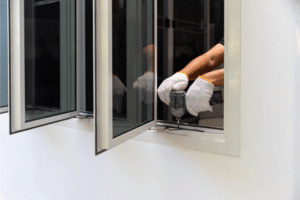
While you might save on labor by installing windows yourself, improper installation can lead to costly problems. Common DIY pitfalls include air leaks, water infiltration, and even glass breakage during handling. These issues can negate any initial savings by raising energy bills or requiring repairs. As a home remodeling blog warns, skipping professional installation may cause “air leaks leading to higher energy bills, water damage from poor sealing, [or] shortened window lifespan”.
Proper installation ensures each window fits snugly and seals tightly. Well-installed windows protect your home’s envelope and maximize energy efficiency. For example, the right seal and flashing keep out drafts and moisture. Hiring a trained installer means precise measurements and proper shims, insulation, and caulking – all critical for performance. In many cases, homeowners find that paying a bit more for an experienced crew is worth the peace of mind. (Some window companies even offer workmanship guarantees for this reason.)
If you have handy skills and are replacing just one window, DIY might be feasible. But for a whole-house replacement, professional installation is usually the safer path. A calculator estimate should reflect the fully installed cost; never assume a professional quote will be as low as a DIY materials-only figure.
There are ways to stretch your dollar when planning window replacements. For example:
Saving Money on Your Window Project
Replace sooner, not later
Old, drafty windows drive up heating and cooling bills. One contractor advises that if windows are “performing poorly because of damage or age, it is financially beneficial to get [them] replaced as soon as possible,” since delaying only means higher energy costs or even storm damage. In short, replacing failing windows can actually save money by improving efficiency right away.
Bulk replacements
Order multiple windows at once. Contractors note that the more windows you replace in one project, the lower the price per window tends to be. Buying in bulk can reduce total cost, even though the overall sum is higher.
Combine windows
If you have several small windows close together, consider consolidating them into one larger unit. For example, two adjacent windows might be replaced by one wide window or a bay. In many cases, combining windows costs less than replacing each separately. Your calculator may let you experiment with this scenario to compare prices.
Financing and incentives
Look into financing options. Some companies offer 0% APR plans or rebates. Financing allows you to spread out payment over time. In the calculator context, this doesn’t reduce project cost, but it can make budgeting easier. (One builder suggests using a 0% credit card or loan to “minimize the initial costs” of window replacements.)
Next Steps & Getting a Quote
A window replacement cost calculator gives you a strong starting point. Once you have an estimate, the next steps are: gather a few quotes from reputable installers, and compare them to your calculator result. If prices are significantly higher, ask the installer to explain the differences (e.g. higher-end windows, extra carpentry, local labor). It’s also smart to verify the brand, warranty, and quality level each quote includes.
When you’re ready, try our free Window Replacement Cost Calculator (or a similar tool) by entering your project details. The calculator on this page is designed for homeowners in the USA to get a quick estimate by window type, quantity, and options. Within moments, you’ll see a customized price range. Armed with that information, you can make budget choices and confidently talk to window contractors about your project.
Replacing windows is a significant investment, but the right information goes a long way. Use the calculator as a guide to educate yourself about costs and options, and lean on it to ask better questions. With careful planning and professional installation, new windows can boost your home’s comfort, efficiency, and value – all while staying on budget.