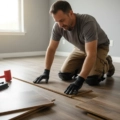
Refreshing a floor can make a room feel brand new – and it doesn’t have to cost a fortune. Here are 10 easy, cheap DIY flooring ideas that anyone can tackle (with minimal tools and cost) to transform a room. We start by directly answering common questions people have, then explain each idea in plain, step-by-step language. As a flooring expert, I promise: you can do these projects yourself – and they’ll look great.
Peel-and-Stick Vinyl Tiles

Peel-and-stick vinyl floor tiles are easy to use and budget-friendly. Vinyl tiles with self-adhesive backs are one of the simplest DIY options. You just clean your floor, peel off the paper backing, and press the tile into place. No glue or nails needed. The tiles come in many designs, including wood-look and tile patterns, so you can match your style.
They are also water-resistant, making them great for kitchens and bathrooms. Peel-and-stick vinyl is cheap – often around $2–$4 per square foot. For example, many vinyl tiles sell for about $3.50/ft². Because they’re light and flexible, you can cut them to fit tight corners with a utility knife. Overall, peel-and-stick vinyl gives a fast, easy floor makeover on a tight budget.
Laminate Flooring

Laminate flooring looks like wood or stone but is made of pressed layers with a hard coating. It’s very DIY-friendly. Laminate planks have a click-lock edge so they “snap” together. That means you don’t need nails or glue – each plank simply clicks onto the next. You can even lay laminate directly over some existing floors if they are clean and level.
This saves time and money by skipping removal of old flooring. Laminate is hardy and scratch-resistant, so it works well in busy rooms. It comes in many styles, from rustic oak to stone tile looks, at a fraction of the cost of real wood. Overall, laminate is affordable and easy for beginners (just measure, cut to size, and click in place).
Painted Wood Floors

If you already have wood floorboards or old hardwood, painting them can instantly refresh the room without new materials. First, lightly sand the wood so the paint will stick. Then apply a primer and finally a durable floor paint. You can paint one solid color (for a clean, modern look) or use stencils or stripes to add a fun pattern.
Painting is very cheap – just costs primer and paint – and is surprisingly easy. For example, painting a room’s wood floor only takes a few cans of paint and a weekend of work. After it’s dry, your old scratched floor can look like new. The key steps are: sand well, then paint with a good quality floor or porch paint designed for foot traffic.. This method reuses your existing floor and lets your creativity shine.
Luxury Vinyl Plank (LVP)

LVP is vinyl flooring shaped like long planks. It’s designed to look and feel like real wood or stone. LVP is very durable and 100% waterproof, so it’s ideal for kitchens, bathrooms, basements – anywhere spills happen. Like laminate, many LVP products click together, so you can DIY-install them without glue.
They are also typically easy to cut with a utility knife or saw. Maintenance is simple: just sweep and occasionally damp-mop; no waxing needed. Because LVP costs much less than solid hardwood, you get a high-end wood look on a budget. It resists scratches and stains, so it stays looking good for years with minimal care. In short, luxury vinyl plank combines style and toughness, making it a top DIY choice for a long-lasting new floor.
Floating Engineered Wood Flooring
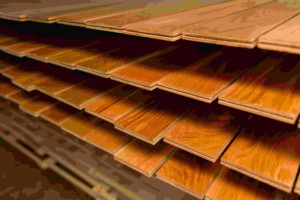
Engineered wood is also one of cheap DIY flooring it is a thin layer of real wood glued on top of plywood. It gives you the authentic beauty of wood but costs less and handles moisture better than solid hardwood. Most engineered wood floors use a floating installation – the planks click together and “float” over the floor without any adhesive.
This means you won’t need messy glue or a nail gun; instead, tap the boards together with a mallet. The result is a warm, natural wood floor that looks like solid wood. Engineered wood is a bit more expensive than laminate or vinyl, but it’s still budget-friendly compared to hardwood. It’s great for living rooms or bedrooms where you want real wood grain. If you want a warm, high-quality floor that you can install yourself, engineered wood is a smart compromise.
Carpet Tiles
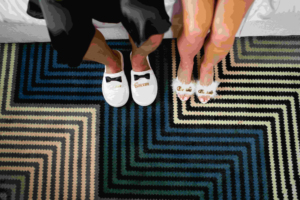
If you love the soft feel of carpet but want an easy project, try carpet tiles. These are squares of carpet with sticky backs. You simply peel and stick them side by side to cover the floor. No cutting huge rolls, no glue: just lay each square on the floor. Carpet tiles come in many colors and textures. You can even mix and match tiles like a puzzle to make a pattern. They’re great for playrooms, bedrooms, or offices because they add warmth underfoot. A big bonus: if a section gets stained or worn, lift up that one square and replace it – no need to re-carpet the whole room. Carpet tiles are often sold cheaply per square foot, and installation is really fast (even a large room can be done in an afternoon). This makes them a very practical and forgiving DIY floor solution.
Linoleum Flooring

Linoleum is a classic eco-friendly floor made from natural materials (linseed oil, cork, wood flour, etc.). It’s often mistaken for vinyl, but linoleum is more natural and very long-lasting. It comes in sheets or square tiles with lots of colors and patterns. Linoleum is tough and scratch-resistant, and once you put it down (with a bit of adhesive or click system), it can last for decades.
Cleaning is easy – just mop with mild soap. Installation of linoleum sheets is trickier because of big rolls, but linoleum tiles or planks usually click together and can be a DIY job. In short, linoleum is a great budget-friendly, eco-friendly option: it costs about $3–$7 per square foot and stands up very well over time.
Cork Flooring
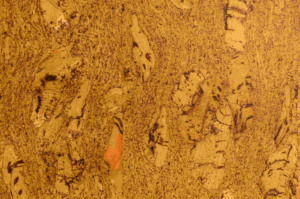
Cork is a soft, warm floor made from tree bark (the same bark used to cork bottles!). It feels springy underfoot and is naturally quiet (it muffles sound). Cork tiles or planks usually stick down with special glue. It is fairly easy to cut like tile with a utility knife. The cost is moderate – around $5 per square foot for the material (plus glue and sealant).
Once glued in place and sealed, cork floors look great and last long. DIYers can handle it because cork is lightweight and flexible. You might want to finish the surface with a clear coat or wax for extra durability. Cork is also a green choice (renewable material) and works well in living rooms or offices. Just remember: cork can dent under very heavy furniture, so lift things to move them, or use furniture pads. Overall, cork offers a unique, natural look on a budget and can be a fun DIY project.
Bamboo Flooring

Bamboo flooring is made from strips of bamboo grass pressed into planks. It’s harder than many hardwoods and often more affordable than oak or maple. In fact, bamboo typically costs around $7–$20 per square foot, which is often less than comparable hardwood. Most bamboo floors use a click-lock system like laminate, so installation is straightforward. Bamboo is also fairly water-resistant (use it in kitchens, too).
Its grain looks like light oak or maple wood, and it comes in a few colors (natural, caramel, or dark). A big advantage: it installs fast. For example, one DIYer reported finishing a whole room of click-together bamboo floor in a single day. If you want a real wood floor on a budget, bamboo is a top pick. Just like wood, it can scratch, so use felt pads under heavy furniture. But overall, bamboo gives you that wood-floor feel at laminate prices.
Painted Concrete Floors

(Note: This idea wasn’t covered by our sources, but it’s worth mentioning.) In some homes, especially basements, you might have bare concrete floors. One very cheap DIY trick is to stain or paint the concrete. There are special concrete stains and floor paints (or even epoxy kits) you can roll on. You would clean the concrete well, then apply several coats of tinted concrete floor paint or sealer. The result can look like polished concrete or add color/patterns.
This project requires careful prep (and maybe masks or ventilators if using chemicals), but it costs very little—a few gallons of paint can cover a whole basement. People do this in garages, porches, or basements to get a hard, wipe-clean floor without spending on tiles or stone. If you decide to try it, remember it’s more advanced than the other projects here. (Our connected sources didn’t give step-by-step on this, but many DIY videos are online.) Paint or epoxy can give concrete a fresh look for just a few hundred dollars.
Cheapest DIY Flooring Options (Under $2/sq ft!)
| Floor Type | Cost (per sq ft) | Difficulty | Best For |
| Peel-and-Stick Vinyl | $1–$4 | Easy | Bathrooms, Kitchens |
| Painted Concrete | $0.50–$2 | Medium | Basements, Garages |
| Carpet Tiles | $1–$3 | Easy | Bedrooms, Offices |
| Laminate | $2–$5 | Medium | Living Rooms |
FAQs
Q: What is the best DIY flooring option for beginners?
Generally, click-lock floors and peel-and-stick options are easiest for first-timers. For example, laminate or hybrid (waterproof laminate) planks simply click together. Vinyl tile and carpet squares also just peel-and-stick. These methods require minimal tools or messy materials. In practice, many novices find that laminate flooring or peel-and-stick vinyl are the friendliest first projects because they snap together and don’t require glue.
Q: Can I install laminate flooring by myself?
Yes – laminate flooring is designed for DIY. Its planks use a tongue-and-groove (click-lock) system, so you lay them together like puzzle pieces. You won’t need special nails or glue. You do need to cut the boards to fit at walls, but a simple saw (hand saw, circular saw, or special flooring cutter) will do. So with a little patience, you can absolutely install laminate on your own.
Q: What tools do I need for DIY flooring installation?
It depends on the floor type, but the basics are similar. For most click-together floors (laminate, LVP, hybrid) and tiles, you will need: a measuring tape, a utility knife or saw to cut planks, spacers (small plastic wedges) to leave expansion gaps at the edges, and a rubber mallet or tapping block to snug pieces together. If you’re using an underlayment or backing material, you might need a stapler or tape to hold it down. For peel-and-stick floors or carpet tiles, a utility knife and a clean roller can help press things flat. Home Depot’s guide lists these essentials: tape measure, spacers, underlayment, a rubber mallet, and a saw or cutter.
Q: What is the cheapest DIY flooring option?
The absolute cheapest floors are often peel-and-stick vinyl tiles or carpet tiles. These materials are sold very inexpensively (sometimes under $1–$2 per square foot) and you install them yourself. For example, one top DIY source notes that peel-and-stick vinyl and carpet tiles are among the lowest-cost options. If you need to cover a large area, affordable click-lock laminate is also a great budget choice – it often costs just a few dollars per square foot but feels like a sturdier floor.
Q: Can I install flooring over existing floors?
In many cases, yes. A big time-saver is to lay new click-lock or floating floors right on top of an old floor, if it’s in good shape. Both laminate and vinyl planks are often installed over existing, firm flooring. This works if the old floor is clean, flat, and dry. For example, you can remove baseboards and lay laminate over old tile or vinyl. Just follow the manufacturer’s advice for how flat the subfloor must be. Avoid stacking thick layers (like carpet over carpet) though. In short: as long as the old surface is smooth and level, you can put most DIY floors on top of it, saving you the work of demolition.
Q: How long does DIY flooring installation take?
It varies by room size and floor type. A very small room (10×10) with peel-and-stick tiles might take just a few hours. Something like laminate or LVP in a medium room (12×15) could take a full weekend if you work steadily. Plan time for prep (cleaning and leveling the floor, cutting and fitting boards). For example, DIYers report that peeling and sticking tiles in a half-bath can be a couple of hours, while a whole kitchen floor might take a day. Laminate or engineered wood might take longer (they require more precise cutting and spacers). In practice, allow 1–2 days for a DIY floor project, depending on complexity.
Q: What is hybrid flooring, and can it be installed DIY?
Hybrid flooring is a newer product that blends laminate and vinyl technology. It looks and feels like wood and is 100% waterproof like vinyl. Hybrids typically come in click-lock planks. That means they install exactly like laminate or LVP – just click together without glue. Many DIYers find hybrid very beginner-friendly because it is so durable and easy to fit. You can learn more, but in short: yes, hybrid is made for DIY installation. It’s a great waterproof option for those who want something a bit sturdier (like vinyl) but installed like laminate.
Ready to start? With these ideas and tips, you can pick the right budget-friendly flooring and plan your DIY project. Measure twice, read instructions, and enjoy the process – you’ll save a bundle and end up with floors that look amazing!