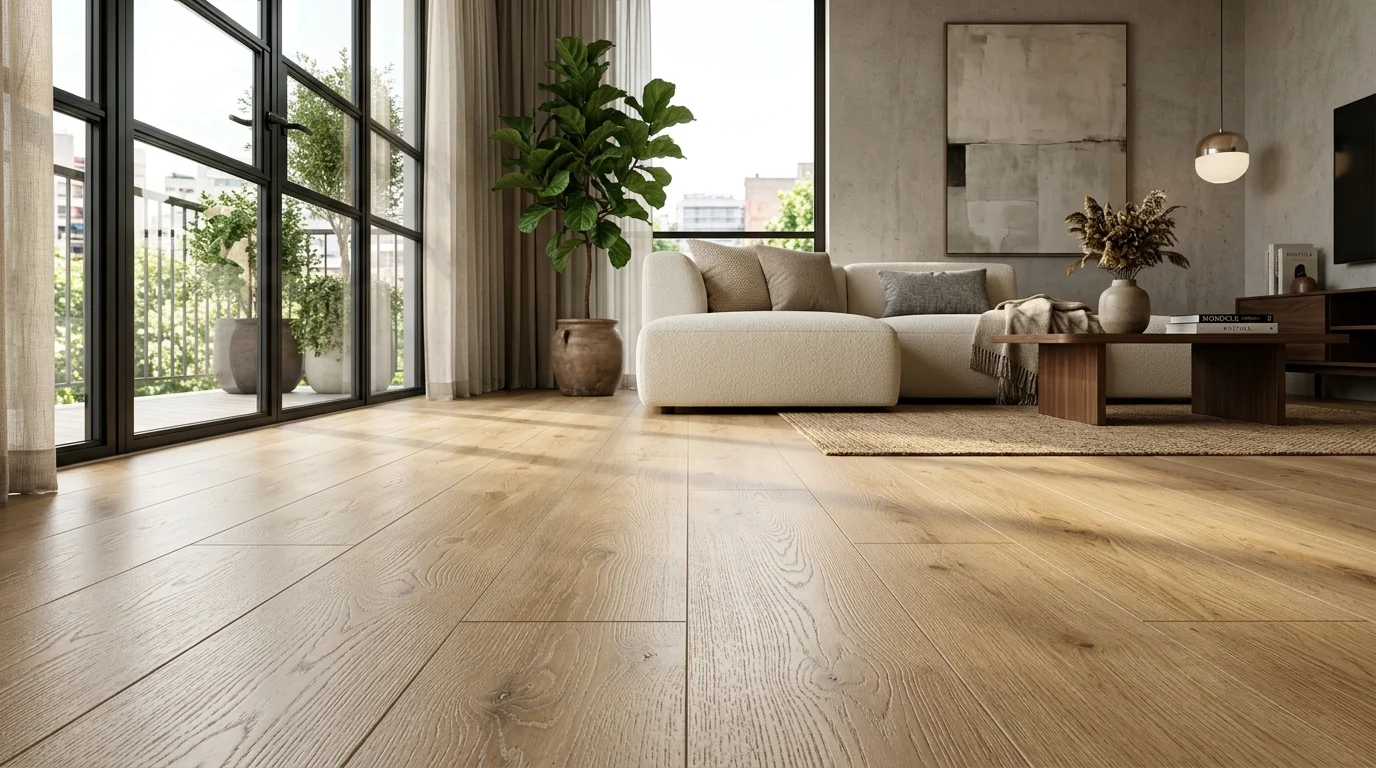
I’ll be upfront with you: I was not the most informed flooring buyer when I first picked Pergo.
I was mid-renovation, overwhelmed, and honestly just wanted something that looked like wood, didn’t cost a fortune, and wouldn’t embarrass me in photos. I found Pergo Outlast in Vienna Oak on Home Depot’s website at around $2.80 a square foot, read enough reviews to feel okay about it, and ordered it. That was my whole process.
Years later, having lived with it daily and watched dozens of other homes go through their flooring decisions, I have a lot more to say. The short version: Yes, Pergo is genuinely good flooring, but only if you know which line to buy and where to put it. Get that wrong, and you’ll be one of the frustrated people leaving one-star reviews online. Get it right, and you’ll probably still love your floors a decade from now.
Here’s everything I wish someone had told me before I bought.
What Even Is Pergo? (This Part Actually Matters)
A lot of people, including me, initially treat “Pergo” like it’s one product. It isn’t.
Pergo makes three completely different types of flooring that happen to share a brand name. Their laminate is what you find at Home Depot and Lowe’s. Their Extreme line is luxury vinyl plank (LVP), sold only through independent flooring dealers. And they also make engineered hardwood, which has real wood on the surface layer.
The reason this matters so much: the reviews for all three products get mixed together online. A contractor raving about Pergo’s durability on a construction forum is probably talking about Extreme. Your neighbor who had a bad swelling experience? Almost certainly talking about laminate. These products behave totally differently. When someone asks “is Pergo flooring good,” what they’re really asking depends entirely on which Pergo they’re holding in their hand.
This review is mostly about the laminate, specifically the Outlast and Outlast+ lines, because that’s what most people are shopping for when they Google “Pergo flooring reviews.” But I’ll tell you where you should be buying LVP instead.
One more background note: Pergo is owned by Mohawk Industries, the world’s largest flooring company. Their laminate is manufactured in Belgium by a company called Unilin BV. I mention this because the Belgian manufacturing actually matters — their formaldehyde emission standards are stricter than what U.S. regulations require, which is relevant if you have kids or anyone with sensitivities in the home.
My Honest Pergo Flooring Review — The Day-to-Day Reality
After living with Pergo Outlast for a few years now, here’s what I actually notice.
The look holds up better than I expected. I genuinely get compliments on the floor. People ask if it’s real wood. It isn’t — but at the 7.4-inch wide plank size, in a warm oak tone, under normal lighting, it photographs and reads as hardwood. The texture has a slight variation from plank to plank that breaks up the “printed floor” look. That said, there is a slight shine. This is the one thing that gives it away. Real hardwood in a matte finish looks different. The Pergo has just a touch more gloss than the real thing, especially when sunlight catches it at an angle. It’s subtle, but it’s there.
The scratch resistance is real. I have a dog who is not gentle. She’s knocked over her water bowl on this floor more times than I can count, dragged toys across it, and generally tested it in every way a medium-sized dog can. The surface hasn’t scratched in any way I can see. I’ve also moved furniture around without felt pads a handful of times, something you should not do, and I knew better, and it’s held up. The AC4 abrasion rating on Outlast+ is a legitimate claim, not just marketing language.
The feel underfoot is harder than real wood. This is a con I didn’t anticipate. Laminate is denser and more rigid than engineered hardwood or solid wood. After standing in the kitchen for a while, you notice it. Not painful, just harder. If this is a concern for you, and it was for me in hindsight, look into thicker underlayment, or honestly, consider LVP, which tends to have a softer, more cushioned feel.
The shine bothers me sometimes. I know I already mentioned it, but it really is the main thing. If you want a floor that truly disappears into the room and just looks like wood, spend the extra money on LVP with a matte finish. Pergo’s laminate, in certain lights, looks very clearly like laminate. The matte-finish Pergo lines (they do have some) are much better for this.
Pergo Laminate Flooring Reviews: What Other Real Buyers Say
Beyond my own experience, I’ve spent a significant amount of time reading through Pergo flooring reviews on Home Depot, ConsumerAffairs, and a few specialty flooring sites. Here’s the honest pattern.
People who are happy with Pergo laminate are almost always people who put it in a bedroom, living room, or low-moisture area and maintained it normally. These buyers consistently report that it holds up well for years, looks good, cleaned easily, and they’d buy it again. One woman who had Pergo Outlast in three different homes over the years swears by it. A family with four kids who had it for nearly three years reported zero visible scratching. These reviews are genuine.
The unhappy reviews cluster almost entirely around water. And not even dramatic flooding, regular household life. A slow drip under the dishwasher door. A dog’s water bowl in the same spot for two years. A bathroom door that doesn’t seal well. Those scenarios, repeated over time, eventually cause the edges of planks to swell and lift. Once that happens, it doesn’t reverse. The HDF core absorbs the moisture, and that’s that.
Here’s the thing that frustrates me on Pergo’s behalf: a lot of those unhappy buyers were misled by the marketing. Pergo’s boxes and website language around “waterproof” and “WetProtect” genuinely imply more protection than the product delivers. Technically, Outlast+ resists surface spills cleaned up promptly. That is true. But it is not the same as being waterproof. It is not a bathroom floor. It is not a laundry room floor. And anyone who installed it as such based on the word “waterproof” on the packaging has a legitimate grievance.
There’s also a recurring complaint about warranty claims. Pergo routes everything through the retailer (Home Depot or Lowe’s), the retailer often points back to Pergo, and buyers end up waiting months in a loop. I’ve seen multiple documented cases of this. It doesn’t seem to be getting better. If you’re buying Pergo for a large project, know going in that warranty service is not a strength of this brand.
Best flooring options for homes with kids
Pergo Outlast Reviews: Is the Upgrade Worth It?
Pergo Outlast, officially “Outlast+” though almost no one uses the plus, is the premium laminate line exclusive to Home Depot. It’s thicker than Pergo’s base XP line (12mm vs. 8–10mm), has better seam sealing, a wider style selection, and a stronger warranty. It runs about $2.70 to $3.50 per square foot for materials.
The style range on Outlast+ is genuinely impressive. There are 50+ options, including over 30 different oak styles. From Glazed Auburn Oak to Somerton Blonde Oak to Pure Black Oak, you can find something for almost any aesthetic. The wide-plank 7.4-inch option is the one that really sells the hardwood look. Narrower planks look more clearly like laminate.
What Pergo Outlast does well:
The pre-attached underlayment is a genuine convenience. You open the box and install. No separate underlayment to buy, measure, cut, and lay first. It also has sound-dampening properties, the floor doesn’t creak when you walk on it the way cheaper laminate does.
The UniClic snap-together system is reliable. This is Mohawk/Unilin’s technology, used across multiple brands. Planks click in cleanly without a lot of force. I’ve installed floors where the locking system required so much hammering that planks chipped — Outlast+ doesn’t have that problem.
What Pergo Outlast reviews warn you about:
Gapping. This comes up over and over. Planks separating at the seams, sometimes after months, sometimes after a year or two. The cause is almost always one of three things: the planks weren’t acclimated in the room for 48–72 hours before installation (Pergo requires this, most people skip it), the subfloor wasn’t level enough, or the expansion gap at the perimeter walls wasn’t left properly. A floating laminate floor expands and contracts with temperature and humidity changes. It needs room to move. Skip the expansion gap and you’ll have gapping issues that look like product failure but are actually installation failure.
Installation in general is not hard, but it is unforgiving of subfloor issues. Pergo requires no more than 3/16 inch variation over 10 feet. Most people don’t check this before they start. Discovering a low spot in the subfloor after you’ve laid four rows is not a fun moment. Do the prep work before you open the boxes.
One specific thing nobody tells you: cutting Outlast+ is harder on your saw blades than most laminate because of the AC4 wear layer. The same hardness that makes it scratch-resistant will eat through a standard blade faster than you expect. If you’re doing a large DIY install, budget for a new blade.
Pergo Outlast Plus Reviews: The Specific Complaints I Keep Seeing in 2025–2026
Reading through the most recent Pergo Outlast Plus reviews, including on Home Depot’s own site, there are some complaints that are worth naming specifically because they’ve increased in frequency over the past year.
Seam chipping. A handful of buyers who had their floor professionally installed in 2024 and 2025 report chipping at the edges of planks, appearing within months of installation. This is a different complaint from swelling, and it’s harder to attribute to installation error when it’s coming from professional installs. Whether this is a quality control issue on specific batches or something else isn’t clear, but it’s worth noting.
Gaps after professional installation. One buyer spent $11,000 on professionally installed Outlast+ and had seam separation appearing four months later. They’ve been bouncing between Home Depot and Pergo for months without resolution. This is an extreme case, but the complaint type isn’t isolated.
I don’t say this to steer you away from Outlast+ — I still think it’s the best product in Pergo’s laminate lineup. But if you’re spending serious money on a large install, get everything documented before and after, photograph your subfloor preparation, and keep your purchase receipts. The warranty is only as useful as your ability to prove you followed the installation guidelines.
Pergo XP vs. Pergo Outlast: Which One Should You Actually Buy?
People search this comparison constantly, so let me just answer it directly.
Pergo XP is the base Home Depot laminate. Thinner (8–10mm), less moisture resistance at the seams, smaller color selection, lower price ($1.99–$2.50/SF). The residential warranty is lifetime, commercial is 5 years.
Pergo Outlast+ is thicker (12mm), has Pergo’s best seam sealing for the laminate line, broader style selection, and stronger overall construction. Costs $0.50–$1 more per square foot.
Here’s the honest decision tree:
Buy XP if: The room is dry, traffic is moderate, budget matters, and there’s no realistic water risk. A guest bedroom. A home office. An adult living room. XP will perform well there for years.
Buy Outlast+ if: There’s any real-world moisture risk, a kitchen, a mudroom, a household with dogs or young kids who spill regularly, anywhere near a bathroom. The seam improvement matters enough to be worth the premium in those situations.
Buy neither if: You need a genuinely waterproof floor. Both are laminate. Both have an HDF core that absorbs moisture eventually. For bathrooms, laundry rooms, and basements, you need LVP. Pergo’s own Extreme line is their LVP and the reviews are considerably stronger. It costs more but actually delivers waterproofing rather than suggesting it.
How Much Does Pergo Flooring Cost? Real Numbers
The material cost for Pergo laminate at Home Depot:
Pergo XP runs $1.99–$2.50 per square foot. Outlast+ is typically $2.70–$3.50. There are occasional sales, and the clearance bins at Home Depot sometimes have discontinued Pergo colors for significantly less — worth checking if you’re flexible on color.
Installed cost is a different number. Labor for laminate runs $2–$8 per square foot depending on your market. In major cities, assume the higher end. For a 400-square-foot space with Outlast+, a realistic all-in budget including professional installation, transitions, and basic subfloor prep is $3,000–$4,800.
DIY installation saves meaningful money if the subfloor is in decent shape. The click-lock system is genuinely approachable for a careful first-timer. Budget more time than you think. Most first-time installs take twice as long as the YouTube videos suggest.
One tip I give everyone: order 10% more flooring than your square footage. Not 5%. Especially on Pergo, because some colors get discontinued. If you need to replace a damaged plank two years from now and your color is gone, you’ll be grateful for those extra boxes in the garage.
Use our free square footage calculator
How Long Does Pergo Flooring Actually Last?
The honest answer: 15–25 years in the right room. Probably 2–5 years if you put it somewhere it shouldn’t go.
There are people who have had Pergo laminate for 20 years and it still looks fine. One commenter I came across had 20-year-old Pergo that was installed with glue (an older installation method) and said it was holding up well. That’s real longevity for a $2/SF product.
The things that kill it early:
Steam mops. Never, ever use a steam mop on laminate. The steam penetrates the locking joints and causes exactly the swelling you’re trying to avoid. Pergo’s warranty is voided by steam mop use. I understand the instinct — it feels like a thorough clean — but the physics don’t work in your favor. Damp mop with a laminate-specific cleaner and call it done.
UV exposure. Certain Pergo finishes fade in direct sunlight over time. Not dramatically, but you’ll notice if you move a rug that’s been in the same spot for a few years and the floor underneath is a slightly different color. Window film or proper blinds help a lot.
Grit. The thing that actually scratches most floors isn’t pet nails or furniture — it’s sand and fine grit tracked in from outside. It sits on the surface and acts like sandpaper under foot traffic. Regular sweeping or vacuuming on the hard-floor setting removes it before it does damage. This is the single most effective maintenance habit for extending any laminate floor’s life.
Should You Buy Pergo Flooring? My Real Verdict
Here’s where I land after years of living with this floor and watching many other people go through their flooring decisions:
Pergo Outlast+ is genuinely good flooring. It’s not perfect. The waterproofing is overstated in the marketing. The customer service and warranty process are real weaknesses. And if your budget allows for LVP instead, LVP is the objectively better product — softer underfoot, truly waterproof, more forgiving.
But at $2.70–$3.50 per square foot for materials, Outlast+ delivers a realistic hardwood look, legitimate scratch resistance, a reliable click-lock installation system, and long-term durability in appropriate rooms. For bedrooms, living rooms, dining rooms, and kitchens where spills are occasional and get cleaned up quickly — it’s excellent value. I’d buy it again for those rooms.
What I wouldn’t do again: put any laminate near a consistent water source without really thinking about it. The bowl mat under my dog’s water bowl. The heavy-duty entry mat at the front door. Those are the two things I added after the fact, and both would have saved me some early anxiety about the floor.
If you’re in the $3/SF range and deciding between Pergo Outlast+ and whatever LVP your local store carries, spend some time with both samples in your actual home lighting before you decide. The difference in matte finish between good LVP and Pergo’s slightly shiny laminate is noticeable once you’re looking for it. For some rooms and styles, it doesn’t matter at all. For others, it’ll bother you every day.
Pergo isn’t the best flooring in the world. It’s also not the budget laminate people sometimes assume it is. It lives in a genuinely good middle ground — and for most homes in most rooms, that’s exactly where it belongs.
Our complete guide to LVP flooring
Frequently Asked Questions About Pergo Flooring
Is Pergo flooring actually waterproof?
Not really — and this is the most important thing to understand before you buy. Pergo Outlast+ has SpillProtect technology that resists surface spills cleaned up within a reasonable time. It’s water-resistant, not waterproof. Prolonged moisture at the seams, water from below, or bathroom-level humidity will eventually cause the HDF core to swell. If you genuinely need a waterproof floor, buy LVP instead. Pergo’s own Extreme line is LVP and is genuinely waterproof.
How does Pergo Outlast+ compare to Pergo XP?
Outlast+ is thicker, has better seam sealing against moisture, a wider color selection, and is the right choice anywhere water is a realistic concern. XP is fine for dry rooms where budget matters. The cost difference is about $0.50–$1/SF for materials.
Can I install Pergo flooring myself?
Yes, and many people do. The UniClic click-lock system is beginner-accessible. The critical steps most first-timers skip: acclimating planks in the room for 48–72 hours before installation, checking and fixing the subfloor flatness (no more than 3/16 inch over 10 feet), and leaving the expansion gap at every wall. Skip these and you’ll likely have problems that look like product defects but are actually installation issues.
How long does Pergo laminate last?
In appropriate rooms, 15–25 years with normal maintenance. The biggest lifespan killers are steam mops (never use one on laminate), sustained moisture at the seams, and skipping regular sweeping that lets grit accumulate and act as sandpaper underfoot.
Where should I NOT put Pergo laminate?
Bathrooms, laundry rooms, basements, and any room where water exposure is frequent or comes from below. These rooms need LVP, not laminate. No laminate product is appropriate for these spaces regardless of how the marketing describes the waterproofing.
What’s the best Pergo color right now?
The wide-plank oak colors in the Outlast+ line consistently look the most like real hardwood. Vienna Oak and Somerton Blonde Oak are popular for light, neutral rooms. Glazed Auburn Oak and Somerton Auburn Hickory work well for warmer, more traditional spaces. Order physical samples before you decide — floor colors look dramatically different in different home lighting than they do in product photos online.
Is Pergo better than other laminate brands?
It’s among the best in its price range. The manufacturing quality from Unilin in Belgium is genuinely strong. That said, Shaw’s laminate, Mohawk’s RevWood line, and Mannington’s offerings are all competitive — and Mannington has FloorScore indoor air quality certification that Pergo currently doesn’t. If air quality certification matters to you, that’s worth knowing.