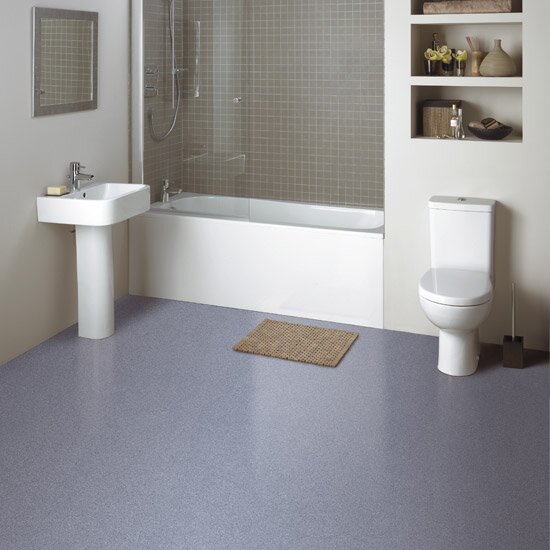
If you are looking for fantastic bathroom design ideas, you might want to turn your attention to bathroom flooring options. There are several flooring options you can select from, like vinyl flooring for bathroom. And while most flooring options give you both aesthetic appeal and durability, you will also need bathroom flooring that will be able to survive in an environment constantly exposed to high moisture.
In selecting a flooring material to use in your bathroom, you will need to determine your budget, style, and lifestyle. Most people prefer using vinyl flooring due the economical nature and versatility of the material. While vinyl is not impermeable to the volatile changes in temperature in bathrooms, it can be quite resilient to the several challenges that come with this kind of environment. And vinyl is comparatively easy to maintain. This makes vinyl flooring a low cost and low hassle choice for bathrooms.
Vinyl Flooring for Bathroom: Why Choose Vinyl
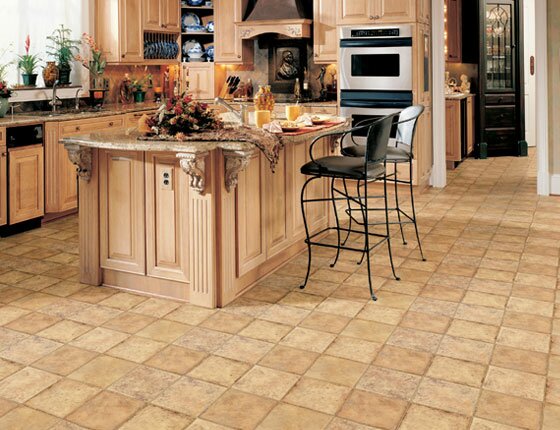
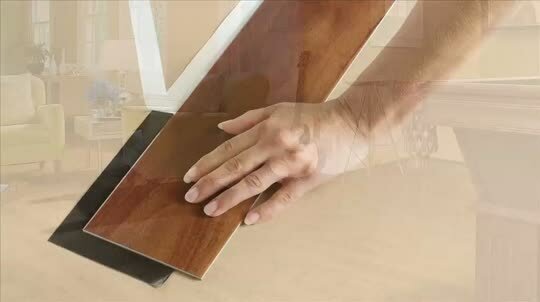
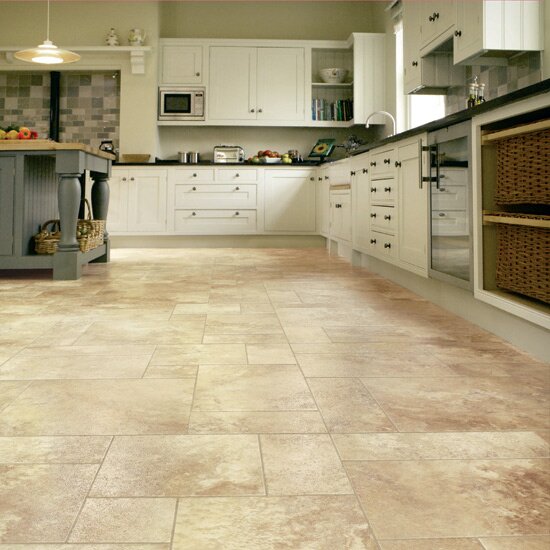
Most homeowners prefer the classic hardwood or tile look in their bathrooms. However, they do not really like the price tags that come with these choices. Some also have concerns about how these hard surfaces are able to fit the lifestyle of their family. All these contribute to vinyl flooring for bathroom being a smart solution. Vinyl has seen much development over the years and it is now available in a wide range of patterns, styles, and colors. Some even look similar to wood or stone. Vinyl provides seemingly material options for design as you can mix and match the material to come up with unique and interesting designs and patterns.
Vinyl flooring tends to be softer underfoot compared to hardwood or tile. This is due to the foam or felt backing that vinyl has. This allows it to offer a comfortable surface for your feet to step on, which is quite helpful inside bathrooms where slips and falls are common due to the wet floors. The relatively softer surface that vinyl flooring has provides sound insulation. However, this spongy quality means you will need to exercise care and caution on placing or moving heavy materials across the materials. It can help much to use coasters under the feet of heavy linen cabinets that you might want to sit on top of the vinyl floor.
Vinyl Flooring for Bathroom: Ceramic Tile
Aside from vinyl flooring for bathroom, you might also want to look into ceramic tile. Ceramic tile offers a classic and clean look that can also be particularly waterproof, stain-resistant, and durable. You might want to opt for slip-resistant ceramic tile flooring to avoid accidents inside the bathroom. The downside is that ceramic tile can be quite cold underfoot, unless you install it over radiant floor heating systems. Installing ceramic tile flooring can also be quite tricky, even if you already have experience in DIY projects.
Vinyl Flooring for Bathroom: Cork
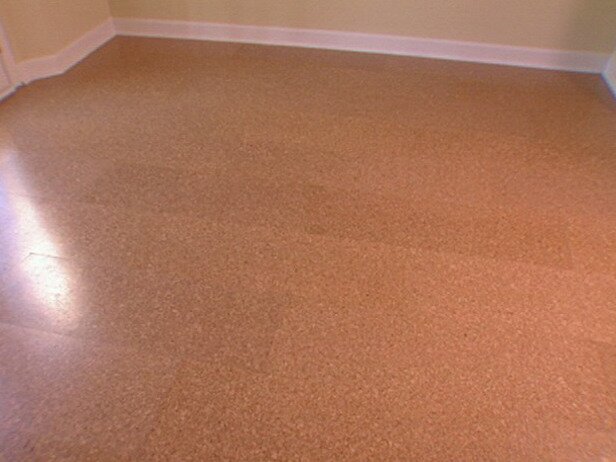
Cork, a material made from bark, can also be an alternative to vinyl flooring for bathroom. It is deemed a substantially renewable resource. Most people also find it good for the bathroom environment. It can be resistant to mold, mildew and water. Cork flooring is often coated with polyurethane to help protect it from minor spills. You can select between glue-down cork tiles that might be finished or unfinished and click-in-place cork planks. You might want to choose unfinished cork flooring that you can finish on-site so you can help keep water from seeping between the gaps. However, installing this bathroom flooring material can be relatively tricky and it might be best to leave this job to a professional.