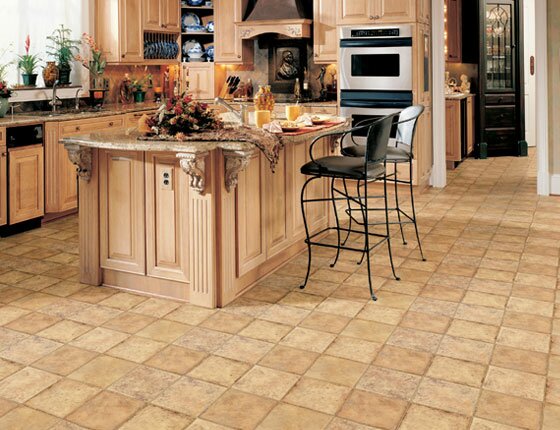
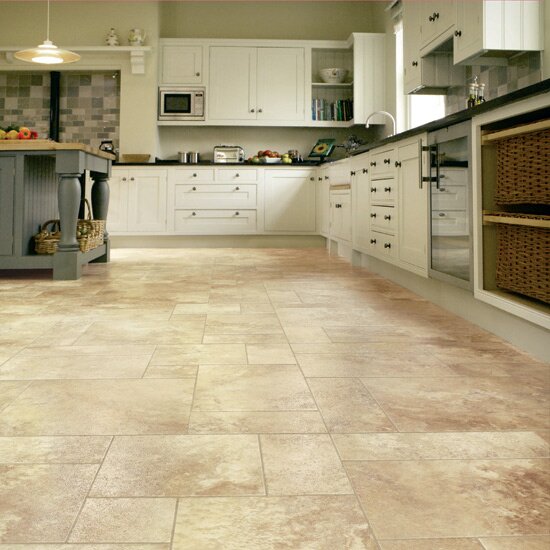
The natural resilience and durability of cork flooring has made it a good alternative to conventional flooring materials. Cork is generally harvested from oak trees and has found several uses over the years other than being a bottle stopper. The natural buoyancy and impenetrability of Globus cork flooring has made it a water-resistant, soft, and strong choice for several residential and commercial applications.
Cork flooring is an environmentally friendly material. It is deemed renewable and known as a sustainable natural resource. Cork flooring materials might be a bit expensive, especially in terms of installed cost for each square foot. Nevertheless, this flooring material can definitely be worth its cost especially when used in relatively small areas like the den, dining room or kitchen. However, it can be used in practically any kind of flooring application.
Globus Cork Flooring: Cork Flooring Benefits
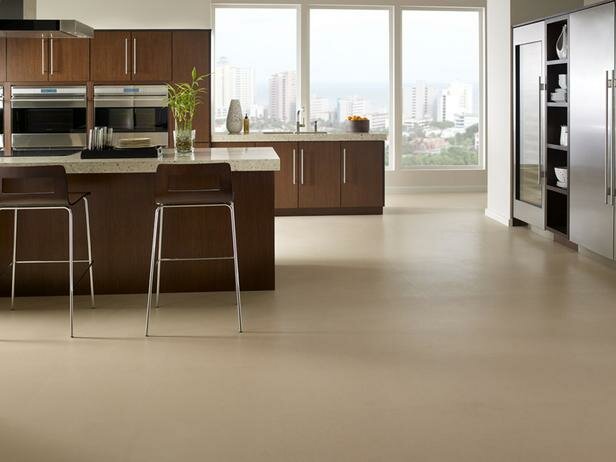
Air trapped within the cellular arrangement of Globus cork flooring gives it an inherent shock absorbing quality. This makes it a good choice for use in areas where you will need to do a lot of standing, like in the kitchen. It can offer relief to your feet, legs, and back. This same cellular arrangement enables the material to help absorb noise and vibration. Not like hard flooring materials like wood, vinyl or tile, cork is relatively quiet and helps in lessening impact noise.
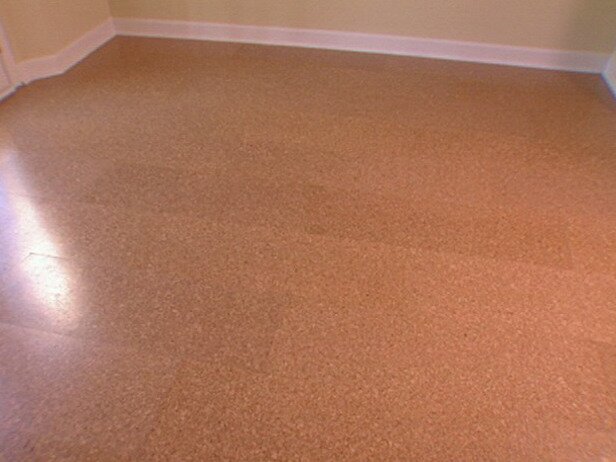
Cork flooring also has this natural beauty that only a few other organic materials can rival. You can find cork flooring in different colors, patterns, and tiles shapes. Durability is another strong trait of this flooring material. It is so durable it has been in use in several public structures like libraries and churches since the late 1890s. And this was long before cork found its way to residential applications. Cork is also naturally anti-allergenic. It is also resistant to mites, insects, mold and mildew. Suberin is a naturally-occurring waxy substance that keeps cork from rotting during prolonged exposed to moisture. Cork also does not release toxic fumes when it burns.
Globus Cork Flooring: Installation Method
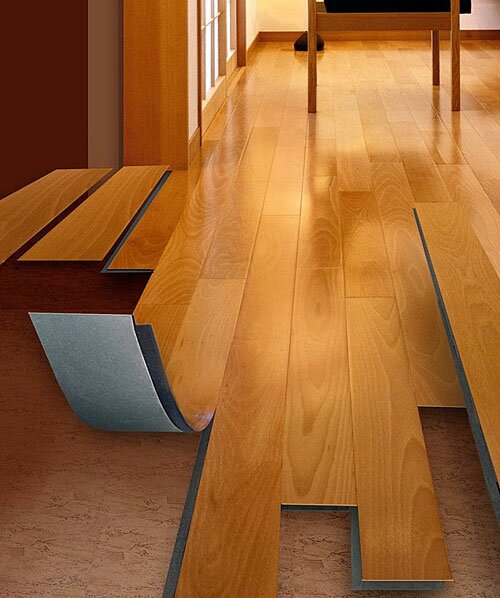
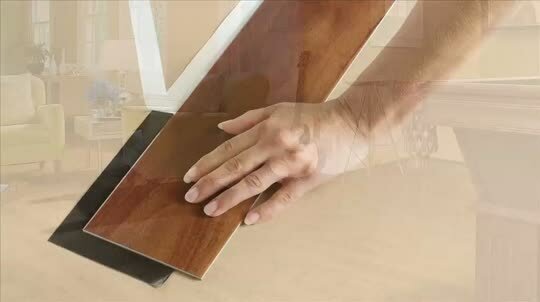
You can select from glue-down Globus cork flooring and interlocking floating floor material. The use of interlocking cork flooring is often recommended because it is relatively easier to install, less expensive, and yet more versatile. Cork flooring planks can come with specially-designed edges that interlock with adjacent panels. The floating cork flooring option can be installed on almost any hard surface. However, if there is existing carpeting, this needs to be removed. Subfloors need to be flat, dry and even before cork flooring can be installed. The surface on which the flooring material will be installed also needs to be thoroughly clean and dry.
Globus Cork Flooring: Cork Flooring Maintenance
Globus cork flooring materials are generally easy to maintain. They only require periodic damp mopping and vacuuming. You can opt to sweep or vacuum cork flooring once each week. Damp mop the material but be careful not to use lots of water. The mild soap or detergent to be used in cleaning the flooring material needs to be pH balanced. This will help keep abrasives like sand and grit away from the flooring material. Avoid using harsh cleansers like oil, abrasives and ammonia-based cleaning solutions. As much as possible, only use cleaning solutions that the manufacturer has approved.